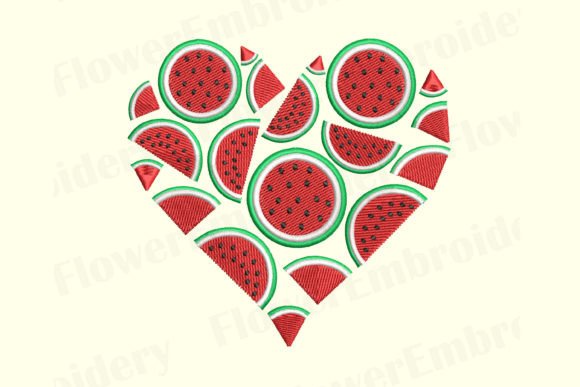
Watermelon Machine Embroidery Design Review
If you have ever stood behind a craft fair booth or scrolled through your own Etsy shop, you know that the difference between a "nice" item and a bestseller often comes down to one thing: visual impact. As an experienced embroidery designer who has produced hundreds of designs for weekend markets and online boutiques, I look at a file before I even touch the hoop. I am looking for clarity, charm, and commercial viability. Today, I am reviewing the Watermelon Machine Embroidery Design, a digital asset described as perfect for farm signs and home decor items, suitable for kitchen towels, tablecloths, aprons, and clothing pieces.
This review is not just about aesthetics; it is about production reality. Can this design hold up in a batch run? Does it photograph well for an Etsy seller trying to capture attention in a crowded feed? Let’s dive into the practicalities of turning this embroidery file into a profitable craft fair product.
First Impressions and Visual Appeal
When I first loaded the Watermelon Machine Embroidery Design onto my screen, the immediate takeaway was its potential for high-contrast visibility. In the world of handmade goods, especially those targeting the farmhouse or rustic aesthetic, color plays a massive role. Watermelon imagery naturally evokes feelings of summer, freshness, and warmth. This makes it an ideal candidate for seasonal sales spikes during spring and summer months.
The design feels bold yet approachable. It does not rely on tiny, intricate details that might get lost in the noise of a busy market stall. Instead, it likely utilizes strong shapes and distinct colors to create a focal point. For a small shop product, this is crucial. Customers walking by a booth often have only three seconds to decide if they want to stop. A design that reads clearly from a distance—whether it is a bright red watermelon slice or a stylized whole fruit—will pull people in faster than something subtle and muted.
However, the term "farm signs" in the description suggests a certain level of graphic simplicity. If the design includes text or complex patterns, we must ensure it remains legible when embroidered. The charm here lies in its versatility. It bridges the gap between cute and decorative, making it appealing to a wide demographic, from young parents buying baby gifts to homeowners looking for cozy kitchen accents.
Product Applications and Market Fit
The description explicitly mentions kitchen towels, tablecloths, aprons, and clothing. Let’s break down how the Watermelon Machine Embroidery Design performs on these specific items, considering both aesthetics and production efficiency.
- Kitchen Towels and Tea Towel Embroidery: This is perhaps the highest-volume item for any embroidery business owner. A single watermelon motif centered on a white or cream linen towel is a classic bestseller. The flat surface allows for precise stitching, and the size of most tea towels accommodates a medium-sized design perfectly. These are impulse buys at craft fairs, priced accessibly but with high perceived value.
- Apron Embroidery: An apron offers a larger canvas. Here, the design can serve as a chest-level accent or a large central panel. For a handmade product like this, the durability of the stitches is key. Aprons see heavy use, so the stitch density must be robust enough to withstand washing without pilling or distorting. The watermelon theme fits perfectly in a country-style kitchen, appealing to home cooks who appreciate rustic decor.
- Tote Bag Design: Canvas tote bags are another staple. However, the texture of canvas can sometimes interfere with fine details. If the Watermelon Machine Embroidery Design relies on very thin lines or small lettering, it may lose clarity on thick canvas. It works best as a solid, filled shape or a bold outline. Placing this on a natural jute or heavy cotton tote creates a trendy, eco-friendly vibe that resonates with modern consumers.
- Embroidered Patch and Caps: Converting this design into an embroidered patch for hats or backpacks is a smart strategy. Patches allow you to sell the same design on different substrates. On a baseball cap, the curved surface requires careful digitizing to prevent puckering. If the design is too dense, it may not lay flat on the curve of a cap. Testing on scrap fabric is non-negotiable here.
- Pillow Covers and Home Decor: For larger items like pillow covers, the design can be scaled up. This is where the "farm sign" aspect shines. A large, striking watermelon motif on a throw pillow adds a pop of color to a living room. These items command a higher price point, offering better margins for commercial embroidery producers.
Production Practicalities and Technical Checks
As a designer, my job is to anticipate problems before they happen. Not all digital embroidery files are created equal. When preparing to produce the Watermelon Machine Embroidery Design, several technical factors must be evaluated.
Stitch Density and Fabric Texture: Watermelon flesh is often depicted with a gradient or varied texture. In machine embroidery, this is achieved through fill stitches. If the stitch density is too high, the fabric will pucker, especially on lightweight materials like tea towels. Conversely, if it is too low, the backing material may show through. You must inspect the stitch direction and density on your test samples. Use the right stabilizer for each fabric type; tear-away for stable wovens, cut-away for knits or stretchy fabrics.
Thread Colors and Contrast: The success of this design hinges on thread choice. Red against white is classic, but consider using a slightly deeper crimson or a softer pink depending on your brand palette. Always check thread contrast against your chosen fabric. Dark fabrics require underlay stitches to make bright colors pop, which adds to the production time. If you are selling on a budget, stick to light-colored fabrics for this design to minimize setup complexity.
Hoop Size and Spacing: Confirm the hoop size required by the file. If the design exceeds standard hoops, you may need to rehoop, which increases labor costs and the risk of misalignment. For batch production, keeping the design within a single hoop area is ideal for speed. Ensure the spacing allows for easy trimming of threads without damaging adjacent areas.
Photography and Online Presentation
For the Etsy seller or online boutique owner, the printable mockup is your first line of defense. Before you sew a single unit, create realistic mockups showing the Watermelon Machine Embroidery Design on various products. Show it on a folded towel, hanging on an apron hook, and stitched onto a tote. Good photography highlights the texture of the thread and the quality of the finish. If the design looks blurry or distorted in photos, customers will assume it looks that way in person. Invest time in creating high-quality design assets that showcase the craftsmanship.
Final Verdict and Recommendations
The Watermelon Machine Embroidery Design holds significant promise for the craft fair and handmade market. Its thematic relevance to summer and farmhouse decor ensures steady demand. It is versatile enough to be applied to multiple product types, from small accessories to larger home goods, allowing you to diversify your inventory without needing a vast library of unique designs.
To maximize sales, focus on quality control. Test every variation on scrap fabric. Check for loose threads, ensure the stabilizer is completely removed, and press the finished product professionally. A crisp, clean finish elevates a simple watermelon motif into a premium handmade gift.
Remember to confirm your commercial licensing terms. If you plan to sell finished products, ensure the license permits commercial use. Do not invent specifications regarding stitch counts or file formats unless provided by the designer; always verify these technical details to avoid production errors. By treating the embroidery file with respect and focusing on the end-user experience, you can turn this design into a standout item in your collection.
In conclusion, this design is a strong contender for anyone looking to add a cheerful, seasonal touch to their product line. It balances visual appeal with practical application, making it a smart investment for creative entrepreneurs ready to stock their booths and shelves for the upcoming season.