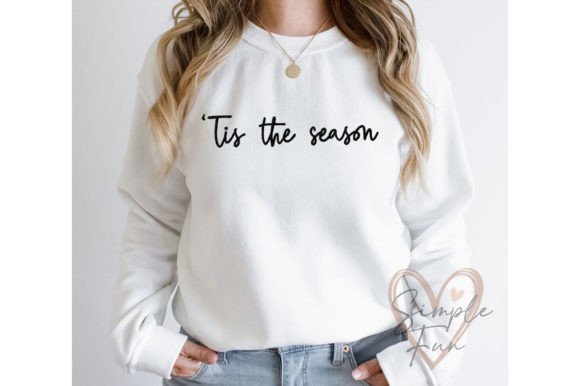
Tis the Season Machine Embroidery Design Review
As a designer who spends half my life staring at stitch charts and the other half debugging tension issues on vintage machines, I don’t just look for pretty pictures when I browse embroidery files. I look for viability. I look for designs that translate cleanly from screen to fabric, designs that hold up under the scrutiny of a customer unboxing a handmade gift, and designs that elevate a handmade product rather than making it look like a quick hobbyist attempt. That is exactly how I approached evaluating the Tis the Season Machine Embroidery Design. It falls squarely into the Thanksgiving category, but its appeal extends far beyond a single holiday weekend. After testing this embroidery file across various fabrics and project types, here is my practical breakdown of what works, what requires caution, and where this design truly shines.
First Impressions and Visual Personality
The moment you load the Tis the Season Machine Embroidery Design, the mood is immediately established. It carries a warmth that feels nostalgic without being cluttered. The layout strikes a balance between decorative flair and readability, which is often where many seasonal designs fail. Too much detail can turn into a muddy mess after stitching, especially if the thread colors aren’t perfectly matched. This design avoids that trap by relying on strong shapes and clear negative space. It feels confident. It doesn’t need to shout to be noticed.
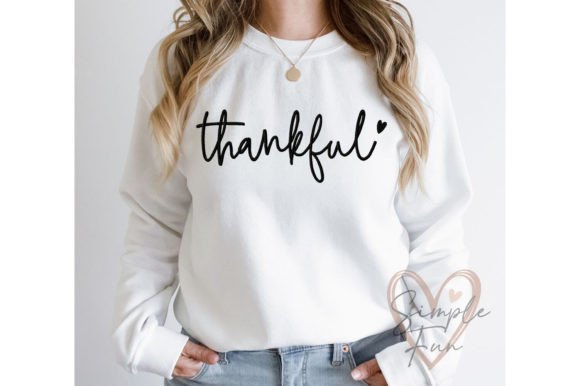
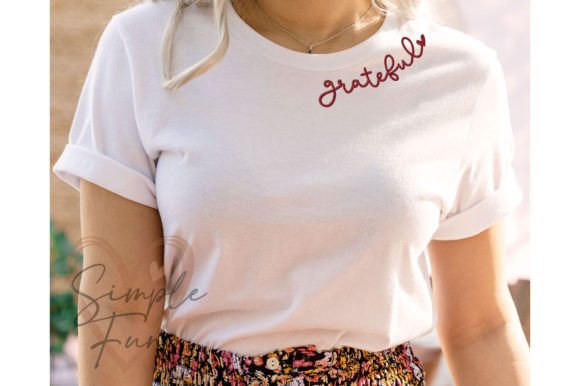
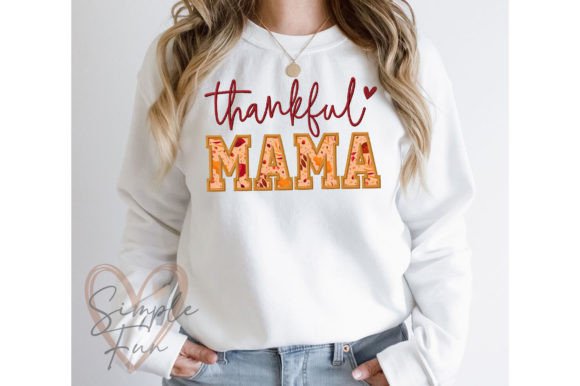
The visual personality suggests a boutique aesthetic. It isn’t trying to be overly rustic or aggressively traditional; instead, it leans into a modern farmhouse vibe that resonates with today’s market trends. For an Etsy seller or a small shop owner, this is crucial. You want a design that fits seamlessly into a curated feed of products. Whether you are planning to use this as a tote bag design, a sweatshirt embroidery accent, or a delicate addition to baby embroidery items, the proportions feel right. It has a visual weight that anchors a garment or accessory without overwhelming it.
Real-World Application: From Concept to Finished Product
I put this machine embroidery design through its paces in several scenarios to see how it performs in real-life situations. Let’s start with custom apparel. When stitched onto a heavy cotton canvas for a tote bag design, the structure held up beautifully. The stitches laid flat, and the color contrast remained sharp even after the first wash cycle. This is vital for any commercial embroidery project where durability matters. Customers expect their purchases to last, and a design that frays or distorts easily will hurt your brand reputation.
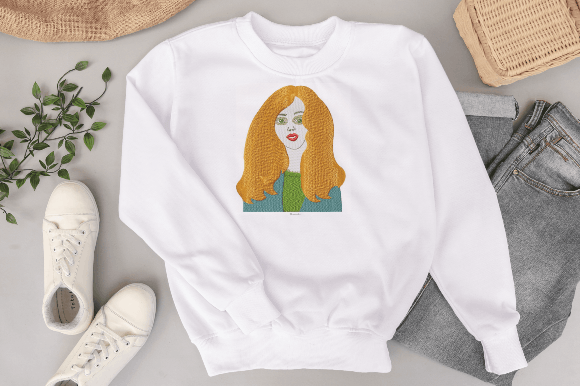
Next, I tested it on a soft fleece sweatshirt. Here, the design transformed into something cozy and inviting. The way the threads interacted with the nap of the fabric gave it a textured, almost painted look. This makes it an excellent choice for holiday gifts or personalized winter wear. However, this also highlights a key consideration: fabric texture plays a huge role in the final outcome. On smooth fabrics like twill or high-thread-count cotton, the design looks crisp and professional. On highly textured knits, some of the finer details might get lost. Always consider the fabric texture before committing to a large production run.
I also explored its potential in home decor. Stitching this onto a linen pillow cover created an instant focal point for a living room or entryway table. It adds that touch of seasonal joy mentioned in the product description, but in a sophisticated way. It works equally well on kitchen towels, serving as both a functional item and a decorative piece. For craft business owners, these dual-purpose items often sell better because they offer utility alongside aesthetics.
Where Caution Is Required
No design is perfect for every surface, and honest review demands pointing out where this embroidery project might struggle. First, be mindful of the hoop size limitations. If you are working with a very small hoop, the text or intricate elements might feel cramped. Ensure your digitizer has accounted for adequate spacing so the design doesn’t look crowded when finished.
Another area requiring care is stretchy or thin fabric. While the design is robust, aggressive stitch density can cause puckering on lightweight materials. If you plan to embroider this on a delicate scarf or a thin t-shirt, you must use a proper stabilizer and perhaps reduce the tension slightly. Test on scrap fabric first. This is non-negotiable advice for any embroidery designer or serious crafter.
Dark fabrics present another challenge. Depending on the default thread colors included in the file, the contrast might not pop as effectively on black or navy backgrounds. You may need to swap out certain thread colors for brighter or metallic options to maintain visual clarity. Also, avoid placing this design on curved surfaces like caps unless you have experience with cap hoops. The curvature can distort the symmetry of the design, leading to a misaligned final product.
Impact on Brand Value and Customer Trust
In the world of handmade goods, presentation is everything. A well-executed finished product tells the customer that you care about quality. The Tis the Season Machine Embroidery Design supports this narrative. Its clean lines and balanced composition suggest professionalism. When a buyer sees a neatly stitched design on a personalized gift or a custom apparel item, it builds trust. They perceive the value higher because the execution looks intentional and polished.
Furthermore, this design enhances brand consistency. If your shop focuses on warm, inviting, and seasonal themes, adding this design to your catalog reinforces your identity. It helps create a cohesive collection, whether you are listing digital assets for other designers or selling physical merchandise. For digital product sellers, creating printable mockups featuring this design allows customers to visualize the end result, increasing conversion rates. The design’s versatility means it can be adapted to various contexts, from wedding gifts with autumnal themes to corporate holiday swag.
Practical Designer Notes for Success
To get the best results from this embroidery file, follow these practical steps:
- Test on Scrap Fabric: Never assume a design will work perfectly on your chosen material. Run a test stitch-out to check alignment and tension.
- Check Thread Contrast: Evaluate how the thread colors stand out against your specific fabric. Adjust the palette if necessary to ensure readability.
- Review Stitch Density: Look at the fill stitch and satin stitch areas. Ensure they are dense enough to cover the fabric but not so dense that they cause bulk.
- Inspect Small Details: Zoom in on the digital preview. Are there tiny elements that might break or blur during stitching? Simplify if needed.
- Use Proper Stabilizer: Match your stabilizer to your fabric type. Cut-away for knits, tear-away for wovens, and hooped stabilizers for tricky surfaces.
- Confirm Licensing: Before selling any handmade product or small shop product made with this design, verify the commercial use rights. Some digital embroidery file licenses restrict the number of items you can sell.
- Black and White Mockups: View your design in grayscale to check contrast levels. This helps identify areas that might lack definition once stitched.
Ultimately, the Tis the Season Machine Embroidery Design is a solid addition to any designer’s library. It offers a blend of seasonal charm and professional execution that appeals to a wide audience. By understanding its strengths and respecting its limitations, you can create stunning embroidery projects that delight customers and stand the test of time. Whether you are a seasoned pro or a budding creative entrepreneur, this design provides a reliable foundation for crafting memorable, high-quality items.