Dead Pancreas Society Embroidery File Review
As an embroidery designer who spends a significant portion of the year planning for seasonal drops, I am always scanning for designs that balance humor with high-quality execution. When evaluating a digital embroidery file for inclusion in a holiday collection, the first thing I look for is not just the visual appeal, but how well it translates to finished goods. The Dead Pancreas Society Embroidery File immediately caught my attention as a potential standout for the upcoming Halloween season. It offers a unique blend of dark humor and decorative flair that resonates strongly with modern crafters and gift buyers.
First Impressions: Mood and Design Quality
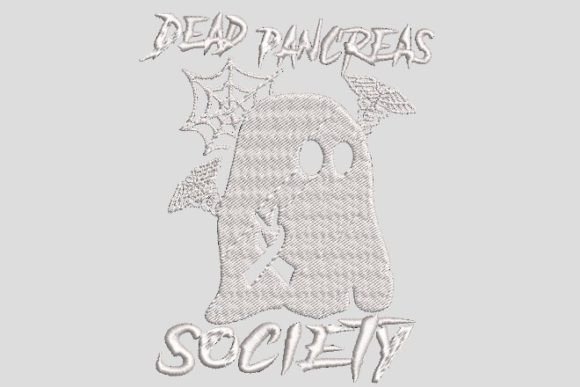
The initial visual impact of the Dead Pancreas Society Embroidery File is one of playful irreverence. In the world of seasonal embroidery, there is often a divide between traditional spooky motifs like pumpkins and ghosts, and more niche, text-based humor. This design bridges that gap effectively. The typography appears bold and clear, suggesting that legibility will remain intact even on textured fabrics. For an Etsy seller or small business owner, this clarity is crucial; customers need to read the message instantly when scrolling through social media previews or browsing online listings.
The emotional tone is undeniably festive yet edgy. It fits perfectly into the "cozy horror" aesthetic that has gained popularity in recent years. Unlike generic clipart-style designs, this file feels curated. The decorative elements surrounding the text likely add depth without cluttering the hoop space. When I visualize this on a product, it doesn’t feel cheap; it feels like a statement piece. This perception of premium quality is essential for maintaining customer trust and justifying price points in the handmade market.
Real-World Application for Holiday Products
Planning a seasonal shop collection requires versatility. The Dead Pancreas Society Embroidery File shines because of its adaptability across various product categories. Here is how I see it performing in real selling situations:
- Sweatshirt Embroidery: This is perhaps the strongest application. A cropped hoodie or a classic crewneck sweatshirt provides the perfect canvas for this design. The contrast of soft cotton against the structured stitches creates a tactile experience that buyers love. It works exceptionally well for family matching items during Halloween gatherings.
- Tote Bag Design: Canvas totes are a staple for handmade gifts. Placing this design on the front pocket or center panel of a tote bag creates a functional accessory that doubles as conversation starter. It appeals to students, artists, and anyone looking for a quirky everyday carry item.
- Kitchen Towel Embroidery: Home decor remains a huge sector for holiday sales. A set of embroidered kitchen towels featuring this design adds a touch of personality to any kitchen. These make excellent personalized gifts for housewarmings or holiday hostess presents.
- Pillow Cover and Home Accents: For those creating larger decor items, this design can be scaled appropriately for pillow covers. It adds a pop of thematic interest to living rooms or bedrooms during the autumn months.
- Embroidered Patch: If the design allows for clean edges, it could be stitched onto patches for denim jackets or backpacks, expanding the reach beyond traditional apparel.
When building limited edition apparel lines, having a design that stands out visually is key. The Dead Pancreas Society Embroidery File offers strong visual recognition. On platforms like Instagram or Pinterest, where images scroll quickly, a design with clear text and distinct shapes stops the thumb. This visual hierarchy directly impacts engagement rates and click-throughs to your shop.
Strategic Selling Opportunities
Beyond individual items, this design lends itself well to bundling strategies. Consider creating a "Spooky Season Bundle" that includes a sweatshirt, a matching tote, and a set of kitchen towels. Bundles increase average order value and provide a complete gifting solution for customers who may be hesitant to choose just one item. Furthermore, the humorous nature of the design makes it highly shareable. Customers are more likely to post photos of their new purchases if the item elicits a smile or a laugh, providing you with free organic marketing.
Technical Considerations and Potential Pitfalls
While the creative potential is high, a professional review must address technical limitations. Not every fabric or machine setting is suitable for every design. To ensure the best results for your customers, consider the following constraints:
- Small Hoop Sizes: Ensure the design fits within standard 4x4 or 5x7 inch hoops if you plan to offer it on smaller items like baby onesies or mini ornaments. If the design is large, it may require a jump stitch sequence that could complicate production.
- Thick Towels and Fabric Texture: When embroidering on thick terry cloth or heavily textured fabrics, the stitch density becomes critical. If the design is too dense, the needle may struggle to penetrate, leading to thread breaks or distorted shapes. Always test on scrap pieces of your target material.
- Dark Fabric and Thread Colors: Contrast is everything. On dark fabrics, light thread colors may get lost, while dark threads on black fabric are invisible. Plan your thread colors carefully. White or bright yellow thread on black fabric usually ensures maximum visibility for text-based designs.
- Stretchy Garments: Items like leggings or fitted caps require careful stabilizer selection. Without proper backing, the fabric may pucker around the stitches, ruining the professional finish. A cut-away stabilizer is often recommended for stretchy materials to maintain longevity.
- Metallic Thread: While metallic threads add luxury, they are fragile and prone to breaking. Unless the design specifically calls for it, stick to standard polyester or rayon threads for better durability, especially for items that will be washed frequently.
Practical Designer Notes for Production
To maximize the success of products made from the Dead Pancreas Society Embroidery File, follow these practical steps:
- Test Before You Sell: Never assume a file will work perfectly on all machines. Run a test stitch on your actual production fabric. Check for any loose ends or misaligned jumps.
- Confirm Hoop Size: Verify the exact dimensions of the design. Knowing whether it fits in a 6x10 hoop or requires a larger frame helps you price shipping correctly and select appropriate blank products.
- Create Realistic Mockups: Use high-quality digital mockups to showcase the design on different products. Show the texture of the thread and how it sits on the fabric. This helps buyers visualize the finished product and reduces return rates due to mismatched expectations.
- Review Small Details: Zoom in on the design file. Are there tiny details that might get lost in stitching? If so, consider simplifying the design digitally before embroidering, or inform customers about the minimalist aesthetic.
- Commercial Licensing: Before listing any items for sale, confirm the commercial licensing terms of the embroidery file. Some digital files are for personal use only. Ensuring you have the right to sell finished goods protects your business from legal issues.
Conclusion
The Dead Pancreas Society Embroidery File represents a smart addition to any seasonal inventory. Its blend of humor, clear typography, and decorative style makes it versatile enough for apparel, home decor, and accessories. By understanding its technical requirements and leveraging its strong visual appeal, sellers can create compelling holiday collections that resonate with buyers. Whether you are an experienced Etsy seller or a hobbyist looking to start a small side hustle, this design offers a solid foundation for creating memorable, gift-ready products. Just remember to test thoroughly, choose the right materials, and present your creations with professional pride.