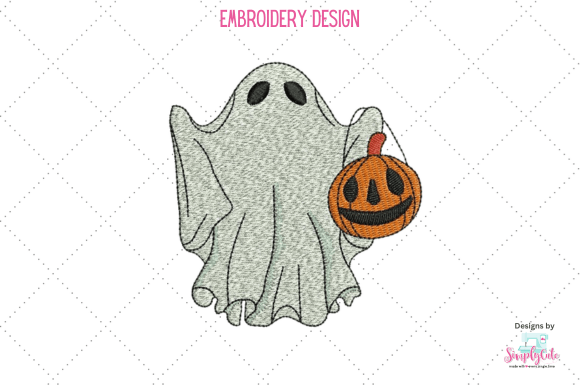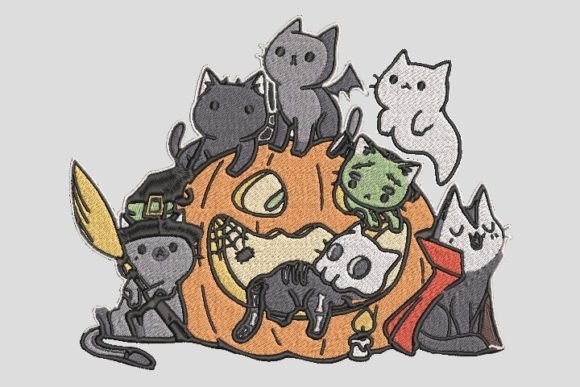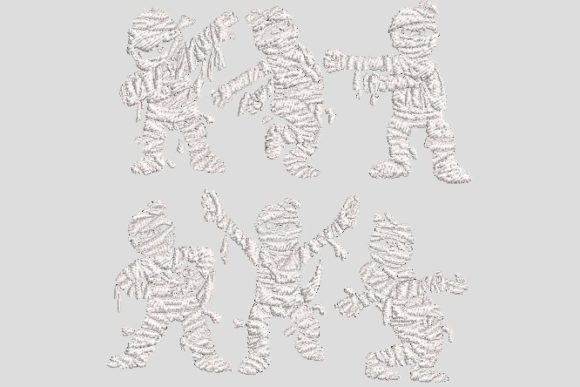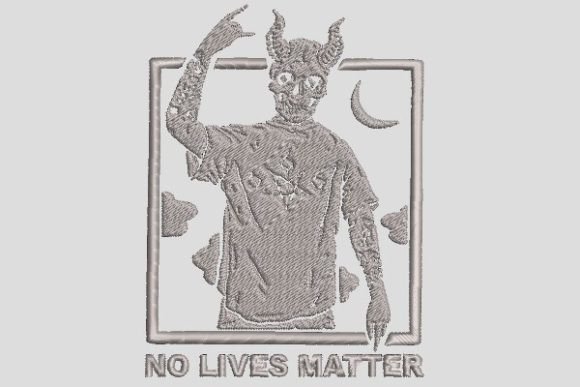
Happy Halloween Machine Embroidery Review
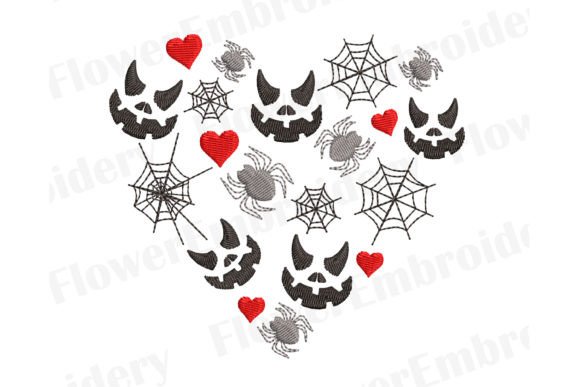
As an embroidery designer who spends weekends hunched over a sewing machine and weekdays prepping for craft fairs, I know that the difference between a design that sits on a shelf and one that flies off the table often comes down to visual impact and production practicality. When I first laid eyes on Happy Halloween Machine Embroidery, my immediate reaction was one of cautious optimism. The concept is charming: a heart-shaped composition constructed from scary faces, spiders, and spider webs. It bridges the gap between spooky and sweet, which is exactly the niche that performs well in handmade markets.
In this review, I am evaluating this machine embroidery design not just as a piece of art, but as a viable component for a profitable craft fair product. We will look at how it translates from screen to fabric, where it shines on specific items like tote bags and aprons, and what technical pitfalls you need to avoid when running it through your hoop.
First Impressions and Visual Appeal
The title alone suggests a playful tone, and the description confirms it. A heart made of spooky elements feels modern yet nostalgic. It avoids the overly gory aesthetic that can alienate casual buyers, leaning instead into a cute, decorative style that appeals to families and young adults alike. For an Etsy seller or boutique maker, this versatility is key. It does not scream "horror movie"; it whispers "festive fun."
Visually, the design relies on contrast. The interplay between the solid shape of the heart and the intricate details of the spider web and facial features creates depth. However, this complexity is also its biggest risk. At a glance, from three feet away at a busy market booth, does the design read clearly? Yes, because the heart outline provides a strong anchor. But up close, the tiny details of the spider legs and facial expressions must hold their own against the thread texture. This is where good digitizing matters immensely.
Product Applications and Best Uses
Not every embroidery file works on every surface. To maximize sales, you need to match the scale and density of the design to the right handmade product. Here is how Happy Halloween Machine Embroidery performs across various categories:
- Tote Bags and Market Bags: This is arguably the strongest application. A canvas tote bag provides a large, flat surface area that allows the full detail of the spider web and heart to breathe. The sturdy fabric supports the stitch weight without puckering. As a tote bag design, it becomes a wearable advertisement for your brand, carrying the festive spirit long after the sale.
- Apron Embroidery: Placing this on the bib of a kitchen apron is a classic move. The heart shape sits naturally near the chest area. Just be mindful of the fabric texture; linen or heavy cotton blends work best. Thin fabrics may show the backing too prominently.
- Tea Towel Embroidery: Similar to aprons, these sell well as giftable items. The softness of the towel contrasts nicely with the structured stitches of the design. Ensure your thread colors pop against the white or cream background.
- Embroidered Patch: Converting this design into a patch allows for use on denim jackets, beanies, and backpacks. Patches are high-margin items. The heart shape makes for a clean, recognizable silhouette even when cut out.
- Caps and Headwear: Curved surfaces present a challenge. While possible, the spider web details might distort if the cap has a tight curve. Test this thoroughly before committing to a batch.
- Pillow Covers and Home Decor: Larger formats allow for a bigger hoop size, showcasing the intricate webbing. These items feel premium and justify a higher price point due to the material cost and labor involved.
Production Practicalities and Technical Notes
Creating a commercial embroidery line requires more than just hitting the start button. You must consider the logistics of production. Is this design efficient? Does it require excessive trimming? And most importantly, is it repeatable?
One of the primary concerns with designs containing small details like spider legs is stitch density. If the digitizer packed the stitches too tightly, the fabric may become stiff and cardboard-like, especially on smaller items like pouches or patches. Conversely, if the density is too low, the underlying fabric may show through, ruining the clean look required for a professional finished product.
When preparing for a weekend fair, time is money. You need a design that runs smoothly without constant monitoring. Check the jump stitches between the heart outline and the internal faces. Excessive jumping leads to messy backsides and longer run times. A clean, optimized digital embroidery file ensures you can produce multiple units in a shift.
Photography and Mockups
In the digital age, your online listing is your storefront. Before you commit to mass production, create a printable mockup or embroider a single sample to photograph. Natural light is your friend. Capture the texture of the thread and the way the light catches the spider web. Buyers cannot touch the product, so your images must convey quality. Show the design on a tote bag, on an apron, and perhaps styled with autumnal props like mini pumpkins or dried leaves to enhance the seasonal mood.
Crucial Considerations for Success
To ensure your investment in this design pays off, follow these essential steps before launching your products:
- Test on Scrap Fabric: Never run a new design directly onto your final product. Use scrap pieces of the exact fabric you plan to sell. This reveals issues with tension, puckering, or color clashes.
- Check Thread Contrast: Dark fabrics can swallow light-colored threads. If you are using black or navy totes, ensure your thread colors provide enough contrast for the scary faces to be visible.
- Confirm Hoop Size: Verify the maximum dimensions of the design. Ensure it fits comfortably within your machine’s standard hoops, or invest in larger specialty hoops if needed. Knowing the hoop size helps you calculate fabric waste.
- Inspect Stitch Density: Look closely at the dense areas. Are there any clumps of thread that might break needles? Adjusting density settings in your software can sometimes help, but it is better to start with a well-digitized file.
- Use the Right Stabilizer: For stretchy knits or delicate fabrics, a cut-away stabilizer is non-negotiable. For stable wovens, a tear-away may suffice. Using the wrong stabilizer is the fastest way to ruin a small shop product.
- Review Commercial Licensing: Before selling finished goods, double-check the license terms associated with the design assets. Some licenses allow personal use only, while others permit commercial sales up to a certain number of units. Always protect your business by adhering to legal guidelines.
Final Verdict
Happy Halloween Machine Embroidery is a strong contender for your seasonal lineup. Its blend of cute and creepy hits the sweet spot for current market trends. It works beautifully on high-demand items like totes and aprons, offering excellent visibility and perceived value. By paying attention to technical details like stitch density, fabric choice, and proper stabilization, you can transform this design into a standout item at your next craft fair or online store.
Remember, the success of any embroidery design lies in the execution. Take the time to test, refine, and present your work professionally. With careful preparation, this heart-shaped spider-web creation could easily become one of the best-selling items in your Halloween collection.