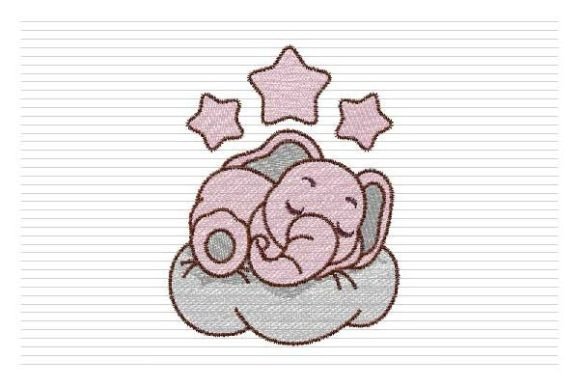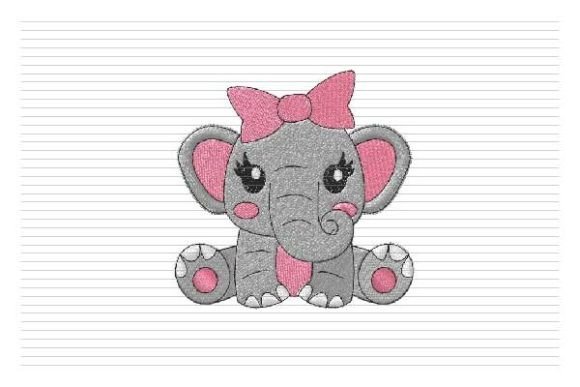
Baby Girl Elephant Embroidery Review
As an embroidery designer who has spent years refining digitizing techniques and testing designs on everything from delicate muslins to thick terry cloth, I approach every new digital file with a mix of excitement and skepticism. When I first opened the Baby Girl Elephant Embroidery design, my immediate reaction was one of quiet delight. It is not just another generic animal motif; it feels like a carefully considered piece intended for someone who values subtlety, sweetness, and high-quality execution.
This review is written from the perspective of a professional preparing this design for a personalized gift shop. We are looking past the pretty picture and examining the practical realities: Will it stitch cleanly? Does it hold up on real products? And most importantly, will it resonate with customers looking for meaningful keepsakes?
First Impressions and Emotional Appeal
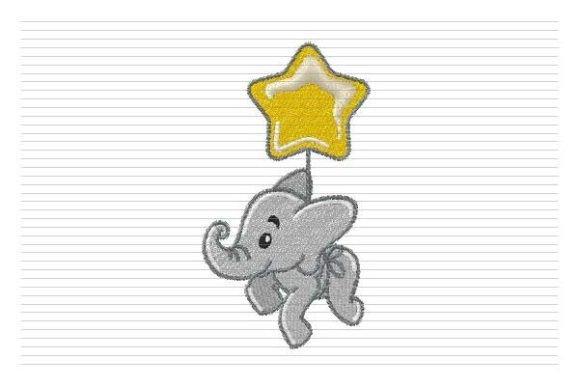
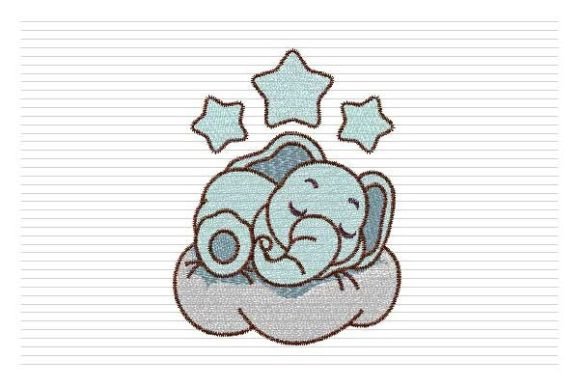
The Baby Girl Elephant Embroidery design strikes a perfect balance between whimsy and elegance. In a market saturated with loud, colorful graphics, this design offers a softer, more refined aesthetic that appeals to modern parents and gift-givers. The mood is undeniably sweet, but it avoids being overly saccharine. Instead, it carries a touch of classic charm that fits seamlessly into nursery decor, wedding favors, or family heirlooms.
From a design standpoint, the composition feels balanced. The elephant motif is likely stylized to be instantly recognizable yet sophisticated enough for an adult audience. This versatility is crucial for today’s Etsy seller or small business owner who wants to appeal to multiple demographics. Whether you are targeting new moms, grandparents, or even couples looking for unique wedding gifts, this design bridges the gap between playful and polished. It feels handmade in spirit, even when produced via machine, which is exactly the vibe that drives engagement in the handmade product space.
Product Applications and Use Cases
One of the strongest selling points of this machine embroidery design is its adaptability. It is not limited to a single product type. Here is how I envision it performing across various categories:
- Baby Blankets and Throws: This is perhaps the most natural fit. The softness of the elephant theme complements the tactile nature of a baby blanket. It creates an instant emotional connection for the recipient.
- Kitchen Towels and Aprons: For a more rustic or farmhouse-style aesthetic, this design works beautifully on linen or cotton blends. It adds a personal touch to kitchen items, making them perfect housewarming or bridal shower gifts.
- Pillow Covers: A subtle placement on a throw pillow can elevate a nursery or a child’s bedroom. It serves as a gentle accent rather than a overpowering statement.
- Tote Bags and Custom Orders: For the busy mom-on-the-go, a sturdy canvas tote featuring this design is both functional and adorable. It also works well for custom order previews, allowing customers to visualize their personalized gift before purchase.
- Wedding Keepsakes: While primarily a baby theme, the elegance of the design makes it suitable for "Baby Shower" themed wedding events or as a gift for the couple expecting their first child.
The design’s ability to transition between these categories increases its perceived value. As a digital embroidery file, it offers multiple revenue streams from a single purchase, which is ideal for small shop product creators looking to maximize their inventory without creating endless new designs.
Technical Considerations and Fabric Compatibility
While the visual appeal is strong, any experienced embroiderer knows that the devil is in the details. Before committing this embroidery file to a final product, several technical factors must be evaluated.
Fabric Texture and Stability
The success of this design heavily depends on the fabric choice. On smooth fabrics like cotton sateen or fine linen, the stitches will likely lay flat and look crisp. However, caution is advised when using textured fabrics such as waffle weave or heavy bouclé. The texture can obscure the finer details of the elephant motif, resulting in a muddy appearance. Similarly, stretchy baby clothes require a stabilizer that provides sufficient support to prevent distortion. Without proper stabilization, the hoop size constraints might cause the design to pucker or shift.
Thread Color Contrast
Thread selection is paramount. On light fabrics, pastel threads will enhance the sweetness of the design. On darker fabrics, contrast becomes critical. If the design relies on thin lines or small negative spaces, dark thread on dark fabric may result in lost detail. I recommend creating a printable mockup or stitching a test swatch to verify color visibility before running a full production batch.
Stitch Density and Hoop Size
Without specific data on the exact stitch count, it is essential to review the density settings in your digitizing software. High-density areas can make a baby blanket feel stiff and uncomfortable. The design should maintain a balance where the embroidery adds character without compromising the softness of the textile. Additionally, confirming the recommended hoop size ensures that the design fits comfortably within your machine’s capabilities without requiring complex re-hooping.
Areas of Caution
There are specific scenarios where this design may not perform optimally. Care should be taken when applying it to:
- Small Lettering: If the design includes names or dates, ensure the font size is legible. Tiny text often loses definition after washing.
- Delicate Details: Intricate elements may get lost if the fabric is too thick or if the thread tension is incorrect.
- Curved Surfaces: Applying embroidery to curved items like pacifier clips or rounded bottle holders requires advanced technique. Flat-surface applications are safer for beginners.
- Frequent Washing: While embroidery is durable, excessive washing can wear down threads. Advising customers on gentle care instructions helps preserve the integrity of the finished product.
Impact on Giftability and Brand Trust
In the world of online sales, particularly on platforms like Etsy, the quality of your custom embroidery directly impacts customer trust. A well-executed Baby Girl Elephant Embroidery project signals professionalism and attention to detail. When customers see a crisp, clean stitch pattern in product photography, they are more likely to perceive the item as a premium personalized gift.
This design fosters an emotional connection by tapping into universal themes of love, protection, and new beginnings. Elephants are often symbols of good luck and memory, adding a layer of meaning that enhances the gift’s significance. For wedding gift designers and baby product creators, leveraging these symbolic associations can increase buyer engagement and conversion rates.
Practical Pre-Production Checklist
Before listing this design for commercial use, I recommend following this checklist to ensure quality control:
- Test on Scrap Fabric: Always run a test stitch on the actual fabric you plan to sell. This reveals issues with puckering, backing visibility, or thread breakage.
- Review Stitch Density: Check for areas that may be too dense (causing stiffness) or too sparse (causing gaps).
- Confirm Commercial Licensing: Ensure you have the right to sell finished products made with this digital embroidery file. Terms vary by creator, and compliance is essential for legal protection.
- Compare Mockups: View the design on both light and dark fabric backgrounds to assess versatility.
- Check Small Details: Zoom in on the digitized file to ensure no tiny elements are at risk of disappearing during the stitching process.
By taking these steps, you protect your reputation as a maker of high-quality handmade products. The Baby Girl Elephant Embroidery design has the potential to be a standout item in any catalog, provided it is executed with care and technical precision. It combines the charm of Baby Animals motifs with the reliability needed for successful commercial embroidery ventures.