Baby Elephant with Star Embroidery Review
As a designer who spends more time than I care to admit staring at stitch patterns and testing thread tensions, I approach every new embroidery file with a mix of optimism and skepticism. We are always looking for that sweet spot between aesthetic charm and technical feasibility. Today, I am evaluating the Baby Elephant with Star Embroidery, a design categorized under Baby Animals that promises to bring a sense of innocence and cuteness to any project. But does it hold up when moved from the screen to the hoop? Let’s break down its real-world application for craft business owners, Etsy sellers, and serious hobbyists.
First Impressions: Mood and Visual Personality
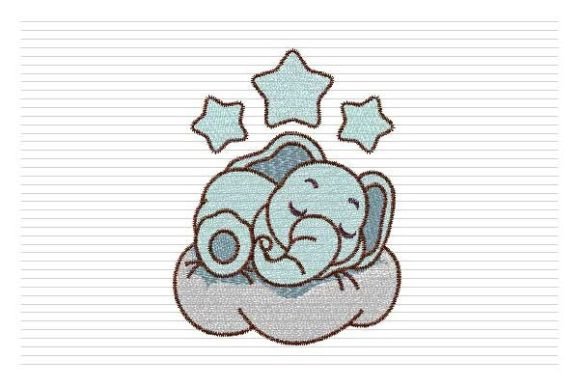
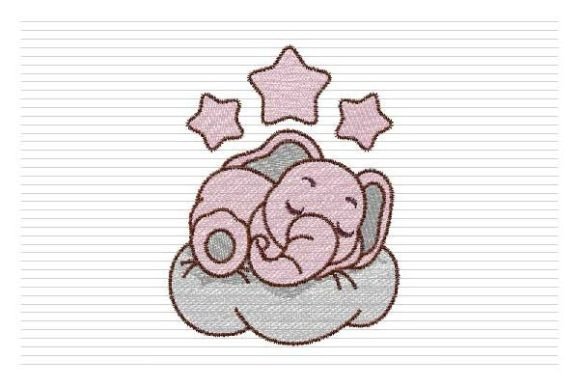
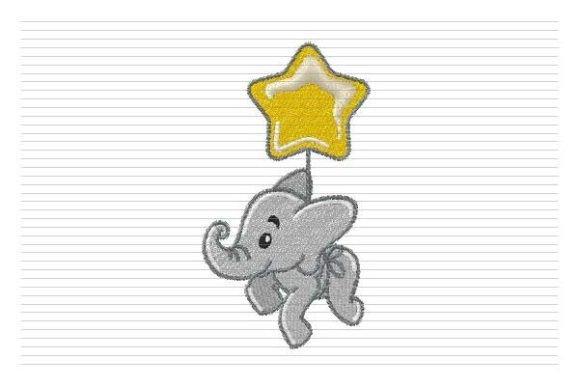
The moment you load the machine embroidery design into your software, the intent is clear. This isn’t just a generic animal shape; it is crafted to evoke warmth and tenderness. The central motif features a baby elephant, likely rendered with soft curves and gentle proportions, accompanied by a star element that adds a touch of whimsy or celestial charm. For designers creating products for nurseries, newborn gifts, or toddler apparel, this visual personality is exactly what sells.
From a layout perspective, the design feels balanced. It doesn’t scream for attention but rather invites a closer look. This subtlety is crucial for high-end handmade product lines where understated elegance often outperforms loud graphics. The combination of the elephant and the star creates a narrative—perhaps a "shooting star" wish or a night-time companion—which adds emotional value to the finished piece. When customers see this on a onesie or a tote bag, they aren't just buying fabric and thread; they are buying a feeling of comfort and joy.
Real-World Application: Where This Design Shines
In my experience, the versatility of a design like Baby Elephant with Star Embroidery is its greatest asset. It fits seamlessly into several key categories for small shop product creators:
- Baby Apparel: This is the most obvious fit. Whether applied to a cotton onesie, a burp cloth, or a receiving blanket, the design scales well. The softness associated with baby animals translates perfectly to the tactile nature of baby clothes. As baby embroidery, it appeals directly to parents looking for personalized gifts that feel special yet safe.
- Custom Apparel and Sweatshirts: Imagine this design placed over the heart of a crewneck sweatshirt or centered on the chest of a t-shirt. It works beautifully as sweatshirt embroidery because the star detail can be highlighted with a contrasting thread color to pop against heathered fabrics. It adds a layer of professionalism to basic garments, elevating them from plain basics to boutique items.
- Home Decor and Textiles: Beyond clothing, this design is perfect for pillow covers, tea towels, or kitchen aprons. In these contexts, it serves as a charming accent. A tote bag design featuring this motif could become a bestseller in the gift section of a craft fair, appealing to both children and adults who appreciate cute, thematic decor.
- Holiday and Seasonal Gifts: The star element makes this particularly relevant for winter holidays or Christmas markets. It can be marketed as holiday embroidery, fitting into themes of wishes, magic, or nighttime stories. This seasonal relevance can significantly boost sales during peak gifting periods.
Technical Considerations and Stitch Performance
While the concept is strong, the execution depends entirely on how the design behaves during stitching. Here is what you need to watch out for when digitizing or running this file.
Stitch Density and Clarity: The star element is likely composed of satin stitches or small fill areas. You must ensure that the stitch density is appropriate for the fabric type. If the star is too dense on a thin jersey knit, it may pucker the fabric. Conversely, if it is too sparse, it might not cover the base fabric adequately, leading to a cheap-looking finish. Always check the transition points between the elephant’s outline and the star to ensure smooth needle penetrations.
Fabric Compatibility: This design performs best on stable, medium-weight fabrics. Cotton blends, denim, and felt are ideal candidates. However, caution is advised when working with stretchy fabrics or highly textured materials like fleece or boucle. On stretchy knits, the tension of the threads can distort the garment, so using a proper stabilizer is non-negotiable. For textured fabrics, the fine details of the elephant’s trunk or the points of the star may get lost, reducing the overall impact of the finished product.
Thread Color Contrast: The visual appeal of this design relies heavily on color choice. If you are embroidering on dark fabric, ensure that the thread colors provide sufficient contrast. A light-colored elephant on navy blue will read clearly, whereas a pastel pink on white might disappear. Test your thread colors on scrap fabric first to verify visibility. Using a metallic thread for the star can add a premium touch, but be mindful of machine tension changes required for metallics.
Where to Use Carefully
There are specific scenarios where this design might struggle. Avoid placing it on curved surfaces like caps unless the digitization includes significant curve compensation, which can alter the proportions of the elephant. Also, be cautious with very small hoop sizes. If the design is scaled down too much, the intricate details of the elephant’s face may become muddy, and the star may lose its definition. Tiny lettering or additional text added around the design should be kept large enough to remain legible after washing.
Impact on Brand and Customer Trust
For Etsy sellers and commercial embroidery professionals, the quality of the design directly impacts brand perception. A clean, well-executed Baby Elephant with Star Embroidery signals attention to detail. Customers associate crisp stitching with durability and care. When a buyer receives a personalized gift with sharp edges and no loose threads, their trust in your brand increases. This leads to better reviews, repeat purchases, and word-of-mouth referrals.
Furthermore, the design’s theme aligns with current trends in handmade goods, where buyers seek unique, emotionally resonant items over mass-produced alternatives. By offering this design on high-quality bases, you position your shop as a provider of thoughtful, artisanal products. It enhances the perceived value of your items, allowing you to command higher prices for custom apparel and personalized gifts.
Practical Designer Notes for Implementation
Before adding this to your production queue, follow these essential steps:
- Test on Scrap Fabric: Never run a new design directly onto your final product. Use scraps of the same fabric and stabilizer combination to check for puckering, tension issues, and alignment.
- Review in Black and White: Convert your mockup to grayscale to ensure there is enough contrast between the design elements and the background. This helps identify potential visibility issues before you start stitching.
- Check Licensing: If you plan to sell finished items made with this digital embroidery file, confirm the license terms. Some designs are for personal use only, while others allow commercial sales. Respecting intellectual property protects your business from legal issues.
- Inspect Small Details: Zoom in on the digitized file to inspect the stitch paths. Look for unnecessary jumps or trims that could cause threading problems. Ensure that the applique design elements (if applicable) have adequate overlap to prevent raw edges from showing.
- Compare Backgrounds: Test the design on both light and dark backgrounds to see how the color palette performs in different lighting conditions. This is especially important for online listings where customers view printable mockups.
Ultimately, the Baby Elephant with Star Embroidery is a versatile and charming addition to any designer’s library. Its ability to convey innocence and whimsy makes it suitable for a wide range of projects, from intimate personal gifts to broader commercial merchandise. By paying close attention to technical details like stitch density, fabric choice, and color contrast, you can ensure that this design translates beautifully from screen to stitch, resulting in professional, beloved embroidery project outcomes.