Embroidery Chistmas Village Paper Review
As an embroidery designer who spends weekends hunched over a hoop at craft fairs, I know that the difference between a sale and a "just looking" moment often comes down to visual impact. When I first pulled up Embroidery Chistmas Village Paper, my immediate reaction was one of festive charm. This isn’t just a generic pattern; it feels like a curated collection of holiday cheer designed specifically for makers who want their booth to pop. If you are an Etsy seller, a boutique maker, or someone running a small shop product line, understanding how this design asset translates from screen to stitch is crucial.
First Impressions and Visual Appeal
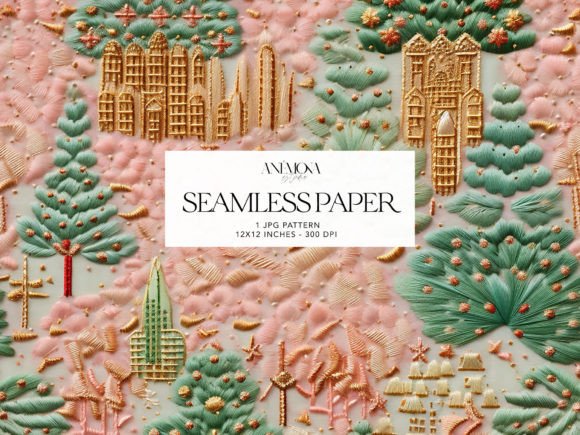
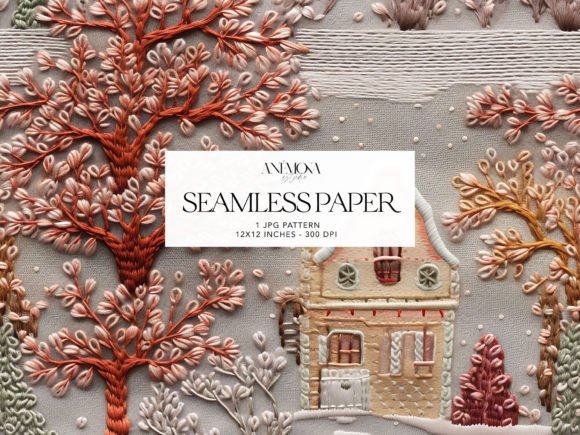
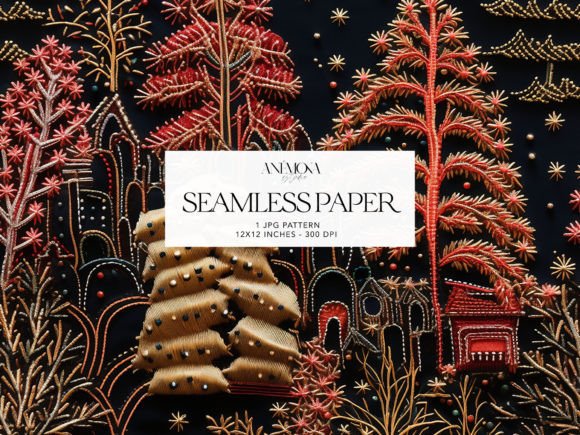
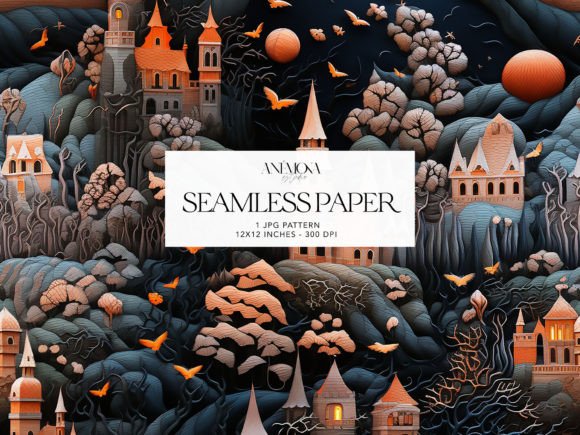
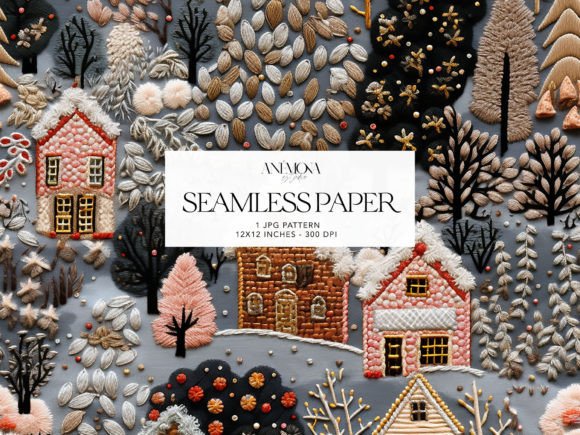
The title suggests a cozy, rustic aesthetic, and the description confirms it is a faux embroidery digital paper. For those of us in the handmade market, "faux" can sometimes be a red flag, but here, it serves a specific purpose. The 300 dpi resolution and seamless 3600px dimensions mean that when you use these design assets for printable mockups or sublimation transfers, they look crisp and professional. However, as an embroidery specialist, I am looking at how this translates into thread.
The village theme allows for a soft, decorative mood that resonates deeply during the holiday season. It strikes a balance between modern minimalism and traditional farmhouse style. In a crowded craft fair environment, customers are drawn to warmth and nostalgia. A design that evokes memories of quaint villages and snowy rooftops has a higher chance of stopping a passerby’s eye than a stark, modern geometric pattern. This embroidery file concept provides the perfect foundation for creating items that feel personal and heartfelt.
Product Applications for Craft Fairs
When preparing for a weekend market, versatility is key. You need products that appeal to different price points and tastes. Here is how Embroidery Chistmas Village Paper performs across various popular categories:
- Tote Bag Design: A sturdy canvas tote featuring this village scene is an instant bestseller. The design works beautifully as a large focal point on the front panel. Because the digital paper offers a seamless repeat, you can also create a border effect along the handles or bottom hem, adding value through intricate detail.
- Apron Embroidery: Kitchen towels and aprons are staple items for holiday gifts. The village motif fits perfectly with the cozy kitchen aesthetic. When digitizing this for an apron embroidery project, ensure the spacing allows the fabric texture to breathe. A dense cluster of houses might get lost on thick cotton twill, so consider scaling it down or using it as a central medallion.
- Tea Towel Embroidery: Similar to aprons, tea towels benefit from high-contrast thread colors against white or cream linen. The festive nature of the design makes it an ideal add-on item at checkout. Customers love grabbing a small, affordable gift that complements their larger purchases.
- Embroidered Patch: Creating a standalone patch of the village center is a smart move. Patches can be sewn onto denim jackets, beanies, or backpacks. This approach allows you to test the design’s clarity without committing to a full garment. If the patch sells well, you know the design has legs.
- Pillow Covers and Home Decor: For higher-ticket items, pillow covers allow for larger scale designs. The seamless nature of the digital paper means you can tile the pattern for a busy, quilt-like look, or use a single large vignette for a more elegant presentation.
Production Practicalities and Quality Control
Turning a digital concept into a physical craft fair product requires careful planning. Before you run a hundred units, you must evaluate the technical aspects of the design. Since this is described as a digital paper rather than a native machine embroidery format, you will likely need to trace or digitize the elements yourself. This gives you control but adds a step to your workflow.
Stitch Density and Detail
One of the biggest risks with complex village scenes is stitch density. If the original illustration includes tiny windows, intricate roof shingles, or fine snowflakes, you need to simplify them for embroidery. Tiny details often clump together, resulting in a muddy appearance that lacks definition. Inspect the stitch density carefully. If you plan to embroider this on curved surfaces like caps, remember that tension varies. A design that looks flat on a hoop may pucker on a rounded brim.
Fabric Texture and Thread Contrast
The choice of fabric plays a massive role in how the final finished product looks. On textured towels, fine lines may disappear. On smooth cotton, every stitch counts. I recommend testing the design on scrap fabric that matches your production material. Check the thread colors against the background. A light pastel village on a white towel might lack contrast, whereas a deep navy or burgundy thread would make the details pop. Always aim for high contrast to ensure readability from three feet away—the typical viewing distance at a craft fair booth.
Hooping and Stabilization
Confirm the hoop size requirements early. Large continuous designs require large hoops, which can limit the types of garments you can embroider (e.g., fitting a wide tote bag into a standard 5x7 hoop). Use the right stabilizer to prevent shifting. For knits or stretchy fabrics, cut-away stabilizer is essential to maintain the integrity of the village scene over time. For woven cottons, tear-away may suffice, but wash testing is non-negotiable.
Selling Strategy and Brand Consistency
From a marketing perspective, Embroidery Chistmas Village Paper offers strong brand consistency. The cohesive color palette and thematic elements allow you to create a unified collection. Whether you are selling small shop product lines on Etsy or displaying at local markets, a consistent aesthetic builds trust. Buyers feel confident purchasing from a brand that looks polished and intentional.
Photography is another critical factor. The seamless nature of the digital paper allows you to create stunning printable mockups for your online listings. Show the design on multiple products—totes, mugs, pillows—to help customers visualize the utility. High-quality images reduce return rates and increase conversion. Remember to include close-up shots of the stitching quality if you are producing physical samples, as this demonstrates craftsmanship and justifies premium pricing.
Final Verdict for Makers
This design asset is a strong contender for holiday collections. It balances charm with commercial viability. However, success depends on execution. Do not rush the digitization process. Take the time to refine the lines, adjust the stitch density, and choose the right thread colors. Test rigorously. And most importantly, confirm your commercial embroidery licensing rights before selling finished goods. If you handle these details with care, Embroidery Chistmas Village Paper will not only fill your booth but also build a loyal customer base eager for your next seasonal release.