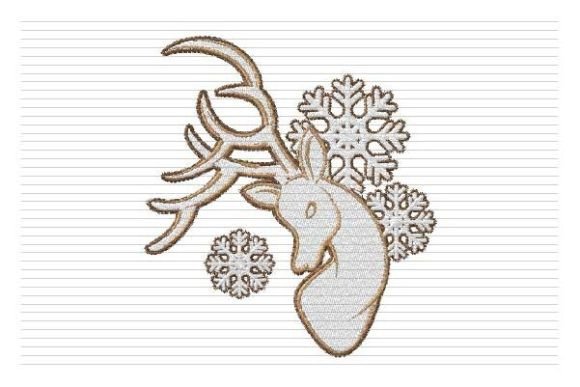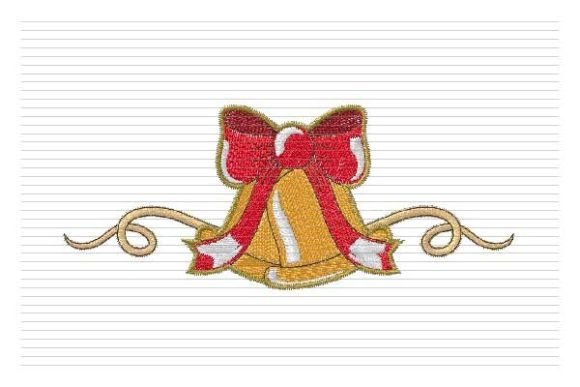
Cute Reindeer Merry Christmas Embroidery
As an embroidery designer who has spent years turning digital files into tangible brand assets, I look at every new design with a specific lens. It is not enough for a file to simply "look nice" on a screen; it must perform reliably on fabric, withstand the wear of daily use, and elevate the perceived value of the final product. Today, I am reviewing the Cute Reindeer Merry Christmas Embroidery file, evaluating its potential for small business merchandise, branded patches, and commercial applications.
First Impressions: Visual Personality and Brand Fit
The title, Cute Reindeer Merry Christmas Embroidery, immediately signals a playful, approachable aesthetic. In the world of brand identity, this distinction is crucial. This design does not scream corporate rigidity or high-fashion minimalism; instead, it whispers warmth, nostalgia, and festive cheer. For a handmade shop, a boutique bakery, or a local florist, this personality aligns perfectly with customer expectations during the holiday season.
From a design perspective, the combination of lettering and a character element creates a balanced composition. The inclusion of "Merry Christmas" text provides immediate context, while the reindeer adds a focal point that draws the eye. This duality makes it versatile. It can serve as a standalone statement on a large surface or work harmoniously alongside other design assets in a cohesive collection. The style feels modern yet classic, avoiding overly trendy elements that might date quickly, which is a smart move for businesses looking to keep their merch relevant year after year.
Real-World Business Applications
When we talk about small business merch, we are talking about touchpoints that build loyalty. Here is how this machine embroidery design translates to actual products:
- Embroidered Patches: One of the most popular uses for seasonal designs is creating limited-edition patches. These can be sold as collectibles or used as rewards for loyal customers. The clean lines typical of this type of design ensure that even when digitized into a patch format, the details remain crisp.
- Staff Uniforms and Aprons: Imagine a café owner adding this to the chest area of barista aprons. It instantly humanizes the staff and creates a welcoming atmosphere. It transforms a standard work shirt into a piece of branded storytelling. Similarly, for a bakery, placing this near the pocket or cuff adds a subtle professional touch without overwhelming the uniform.
- Cap Embroidery: Holiday-themed caps are huge sellers. This design’s compact nature likely fits well on the front panel of a cap, offering a cute accent that complements the curve of the hat. It works particularly well for outdoor winter markets or holiday pop-up events.
- Tote Bag Design: Canvas totes are a staple for Etsy sellers and crafters. A centered or slightly offset placement of this design on a natural canvas tote creates an instant gift-ready item. It appeals to shoppers looking for unique, personalized bags rather than mass-produced alternatives.
- Product Packaging Accents: Beyond apparel, consider stitching this onto garment tags, hangtags, or even directly onto reusable gift bags. This level of detail signals premium quality and care, significantly boosting customer trust and recognition.
Strategic Placement for Maximum Impact
To maximize the effectiveness of this embroidery file, placement matters. On a hoodie, a left-chest placement keeps it subtle and professional. On a backpack, centering it on the lower flap can create a surprising moment of delight for the wearer. For custom apparel like sweatshirts, a larger placement on the back or across the shoulders can make a bold fashion statement, provided the design scales well.
Where to Exercise Caution
While this design has broad appeal, no single file is perfect for every scenario. As a designer, I advise testing this digital embroidery file carefully in specific contexts:
- Small Patch Sizes: If you plan to produce very small patches (under 2 inches), inspect the fine details of the reindeer’s features and the lettering kerning. Tiny text can become illegible if the stitch density is too high or if the thread colors lack contrast.
- Curved Surfaces: When applying this to cap embroidery or cylindrical items, distortion can occur. Ensure your digitizer has accounted for stretch and curvature, or test extensively on the specific material before bulk production.
- High Stitch Density: Review the fill stitches. If the design is too dense, it may pucker lighter fabrics like thin cotton or rayon blends. This is especially important for apron embroidery where comfort and drape are key.
- Fabric Texture: Avoid using this on highly textured fabrics like heavy tweed or bouclé, as the intricate details may get lost. Smooth fabrics like twill, denim, or canvas will showcase the design best.
- Dark Uniforms: If embroidering on dark garments, ensure the thread colors provide sufficient contrast. White or light pastel threads are usually safest for maintaining readability against black or navy backgrounds.
Impact on Brand Identity and Customer Engagement
Using a well-executed commercial embroidery design like this one does more than just decorate a product; it communicates values. A friendly, festive design suggests that your brand is community-oriented, warm, and attentive to seasonal moments. This enhances visual consistency across your product line.
For Etsy branding and online sellers, high-quality embroidery photos are essential. A sharp, well-stitched image of this reindeer design on a pristine white mug or a cozy sweater can drive engagement and sales. It shows craftsmanship. Customers are willing to pay a premium for handmade product aesthetics that look professionally finished. Conversely, a poorly executed stitch job can undermine that perception, so always prioritize quality control.
Practical Designer Notes for Production
Before you commit this embroidery file to your production run, follow these essential steps:
- Test in Black and White: Convert the design to monochrome to check the balance of negative space and stitch coverage. This helps identify any areas that might be too cluttered.
- Check Hoop Size: Confirm the recommended hoop size matches your machine capabilities and the dimensions of your target product. A design that requires a large hoop might not fit on smaller items like beanies or wristbands.
- Select Proper Stabilizer: The choice of stabilizer (cut-away vs. tear-away) depends on the fabric. For stretchy knits, a cut-away stabilizer is often necessary to prevent distortion over time.
- Create a Printable Mockup: Before stitching, generate a printable mockup to show clients or stakeholders. This allows for approval on color choices and placement without wasting thread and fabric.
- Confirm Commercial Licensing: Most importantly, verify the licensing terms. Ensure you have the right to sell physical goods made from this machine embroidery design. Some files are for personal use only, and violating these terms can lead to legal issues.
- Thread Color Contrast: Experiment with different thread palettes. While traditional red and green are expected, unexpected combinations like gold on navy or silver on black can offer a modern twist that stands out in a crowded market.
In conclusion, the Cute Reindeer Merry Christmas Embroidery file offers a charming, versatile option for businesses looking to capitalize on the holiday spirit. Its friendly aesthetic and adaptable layout make it suitable for a wide range of finished product types, from apparel to accessories. By paying attention to technical details like stitch density, fabric choice, and licensing, you can leverage this design to create memorable, high-quality merchandise that resonates with your customers and strengthens your brand’s festive presence.