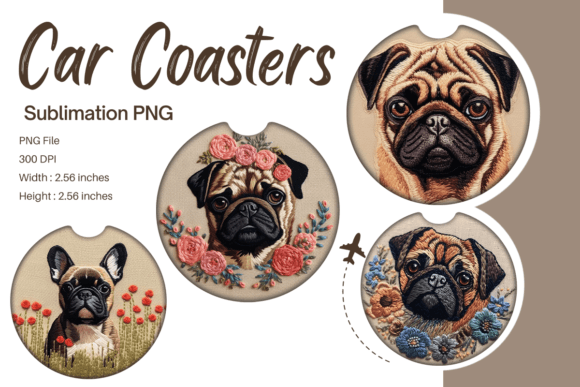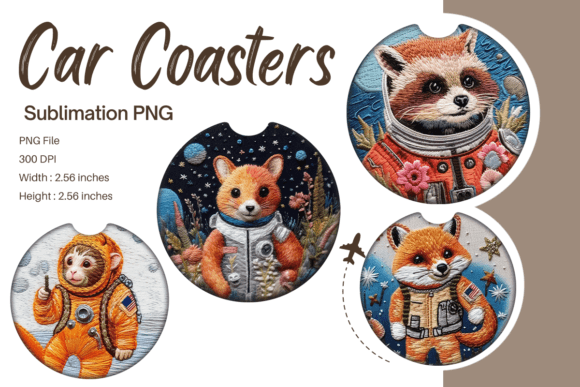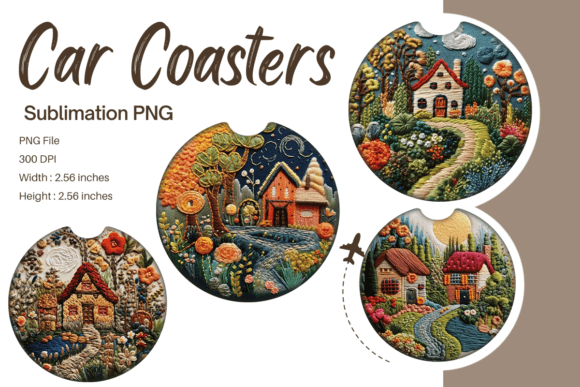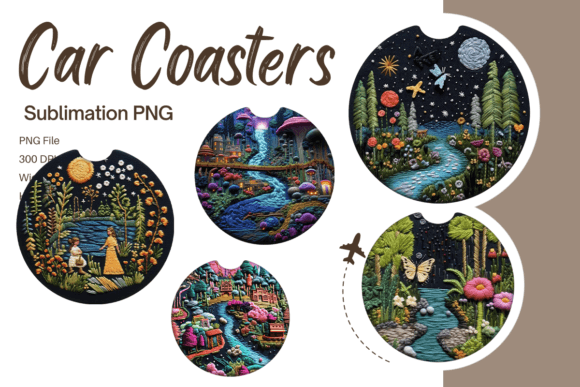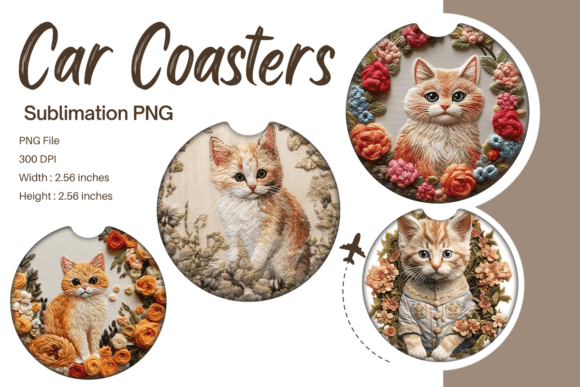
Cat Embroidery Car Coaster Sublimation
As an embroidery designer who has spent years perfecting stitches for bespoke gifts, I know that the difference between a "nice" item and a "must-have" gift often comes down to emotional resonance. When browsing Creative Fabrica embroidery collections, I am constantly looking for designs that balance visual charm with technical feasibility. Recently, I reviewed a listing titled Cat Embroidery Car Coaster Sublimation. While the product category is listed under Print Templates and Graphics, and the description explicitly notes this is NOT A SVG file but rather a template meant for sublimating car tags and coasters, it sparked an interesting question in my mind: Could this design be adapted or appreciated by those of us in the handmade gift space?
In this review, I will evaluate the aesthetic appeal and potential utility of this design from the perspective of a professional embroiderer. Even if you are not sublimating car plates, understanding how graphic elements translate into textile art can help you select better assets for your personalized gift offerings.
First Impressions: Emotional Appeal and Visual Charm
The primary draw of any machine embroidery design intended for gifting is its ability to evoke a feeling. Cats, universally beloved, offer immediate warmth. The title suggests a playful yet cozy aesthetic. In the world of embroidery crafters, we look for "handmade charm"—details that feel crafted by human hands rather than mass-produced. If this graphic captures the softness of feline fur or the whimsy of a cat’s posture, it holds significant value for Etsy shop owners targeting pet lovers.
Visually, successful designs in this niche often lean towards sweet, elegant, or playful styles. For a custom gift to stand out, it must possess decorative style that complements various home decors. Whether the design feels modern or classic depends on the line work, but the subject matter itself bridges gaps between nursery decor and adult living spaces. This versatility is crucial for small business owners looking to maximize their inventory without alienating different customer segments.
Adapting the Concept for Handmade Products
Although the source material is a sublimation template, the underlying graphic can inspire various handmade product ideas. Here is how a designer might conceptualize using similar motifs across different categories:
- Baby Embroidery: Soft cat motifs are perfect for nursery decor. Imagine a gentle cat silhouette on a receiving blanket or a onesie. The key here is translating the graphic’s softness into thread texture.
- Wedding Gifts: For couples who share a love for cats, a custom embroidered towel or pillow cover featuring a minimalist cat design serves as a memorable wedding gift. It adds a personal touch that generic store-bought items lack.
- Home Decor: An embroidered towel or a set of kitchen aprons with subtle feline accents brings personality to daily routines. These items make excellent family keepsakes.
- Tote Bags and Aprons: Durable fabrics like canvas allow for bold designs. A pillow cover or tote bag with a charming cat print appeals to those seeking personalized home decor.
By viewing the design through the lens of commercial embroidery, you can identify which elements—such as the outline thickness or color palette—would translate best into stitch patterns.
Practical Concerns for Embroidery Conversion
For those considering adapting graphic templates into digital embroidery files, several technical challenges arise. As an experienced designer, I always advise caution when moving from print to stitch.
Detail and Density
Sublimation graphics often rely on solid blocks of color or fine gradients. In embroidery, these must be converted into satin stitches or fill stitches. You must consider stitch density; too much density on a small area can cause puckering, especially on thin fabrics. Delicate shapes, such as whiskers or small eyes, may become lost if the hoop size is too large relative to the design, or if the machine cannot execute fine details accurately.
Fabric and Thread Compatibility
The choice of fabric drastically affects the final look. On textured towels, fine lines may disappear. On stretchy baby clothes, stabilizer choice becomes critical to prevent distortion. When selecting thread colors, contrast is key. A light gray cat on white fabric will vanish; you need high-contrast choices to ensure the design pops. Always perform a test stitch-out on the actual fabric type you plan to sell to confirm legibility.
Small Lettering and Legibility
If the design includes names or dates—a common request for personalized products—ensure the font is thick enough to stitch clearly. Small lettering often requires digitizing adjustments to remain readable after washing. Check the exact product details on Creative Fabrica to see if text elements are included and whether they are scalable.
Building Customer Trust and Perceived Quality
In the competitive landscape of online selling, perceived quality drives sales. A well-executed finished product communicates care and professionalism. When customers receive a handmade product that looks polished, their trust in your brand increases.
Effective product photography plays a huge role here. Showcasing the texture of the embroidery against the fabric highlights the handmade presentation. Use natural lighting to capture the sheen of the threads. Including lifestyle shots—such as the cat-themed pillow on a cozy sofa or the towel in a bright bathroom—helps buyers visualize the item in their own homes, boosting buyer engagement and conversion rates.
Essential Pre-Sale Checklist
Before listing any item inspired by or derived from this design, follow these practical steps to ensure success:
- Create a Test Stitch-Out: Never skip this step. It reveals issues with tension, registration, and detail resolution.
- Check Small Details: Zoom in on the stitched sample. Are whiskers distinct? Is the face recognizable?
- Compare Thread Colors: Ensure the chosen threads match the intended mood (e.g., pastel for baby items, bold for statement pieces).
- Test on Similar Fabric: Stitch on a scrap of the actual material you will use for the final product.
- Confirm Hoop Size: Ensure your machine can accommodate the design dimensions without awkward re-hooping.
- Review Licensing: This is critical. Since this is a digital embroidery file or graphic template, verify the commercial use rights on Creative Fabrica. Some licenses restrict the number of finished items you can sell.
- Use Printable Mockups: If you are still in the design phase, use mockups to preview how the design looks on various products before committing to production.
Final Thoughts
While Cat Embroidery Car Coaster Sublimation originates as a sublimation template, its core appeal lies in the universal love for cats and the desire for personalized, heartfelt gifts. For Etsy sellers and small shop products creators, the lesson here is about adaptation and attention to detail. By understanding the strengths of the graphic and respecting the technical limitations of embroidery, you can create stunning custom embroidery projects that resonate with buyers.
Whether you are making blanket embroidery for a new parent or creating unique wedding gifts, the combination of cute aesthetics and high-quality execution is your secret weapon. Always prioritize the tactile experience of the end user, and let the charm of the design guide your creative process. Remember to check all technical specifications and licensing agreements on Creative Fabrica to ensure your business remains compliant and successful.