Cancer Awareness Embroidery: A Designer’s Review
As a designer who spends more time than I care to admit staring at stitch density charts and debating the merits of various stabilizers, I approach every new machine embroidery design with a mix of optimism and skepticism. The market is saturated with digital assets, but few truly stand out as versatile enough for serious commercial use or meaningful personal projects. When I first laid eyes on the Cancer Awareness Embroidery file, my immediate question was not just about aesthetics, but about utility. Would this hold up in a real-world application? Could it serve as a cornerstone for a boutique line, a heartfelt gift, or a professional client order?
After running several test stitches on different fabric types and analyzing the visual hierarchy of the design, I have formed a clear opinion. This is not merely a decorative element; it is a thoughtful composition that balances symbolism with technical feasibility. Here is my breakdown of how Cancer Awareness Embroidery performs when moved from screen to fabric.
First Impressions and Visual Personality
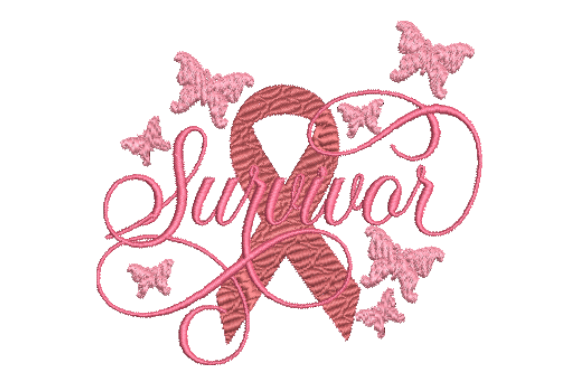
The moment you open the embroidery file, the intent is clear. The design leverages the universal ribbon motif associated with cancer awareness, but it does so with a modern sensibility that avoids feeling dated or overly cluttered. In terms of mood, it strikes a balance between solemnity and hope. It is respectful without being somber, which is a crucial distinction when creating items for survivors, caregivers, or those in treatment.
From a layout perspective, the shape is clean and scalable. This is vital for designers because it means the design will retain its integrity whether placed on a small chest pocket area of a polo shirt or centered on the back of a heavyweight hoodie. The visual personality is understated elegance. It relies on strong lines and recognizable iconography rather than excessive detail that might get lost in the stitching process. For an Etsy seller or small business owner, this clarity is a major asset. Customers respond quickly to symbols they recognize instantly, and this design delivers that recognition without shouting.
Real-World Application Scenarios
To truly judge an embroidery project, you have to imagine it in the hands of the end-user. Let’s look at a few specific scenarios where Cancer Awareness Embroidery shines.
- Custom Tote Bags: One of my favorite uses for this design is on durable canvas tote bags. The structure of a tote provides a flat, stable surface that allows the satin stitch outlines to pop. I envision this on a natural beige bag with thread colors chosen to match a specific cause—pink for breast cancer, teal for ovarian, or purple for pancreatic. It becomes a functional piece of advocacy that people are happy to carry daily.
- Sweatshirt Embroidery: For colder months, placing this design on the front left chest of a crewneck sweatshirt offers a professional yet cozy aesthetic. The density of the design holds up well against the thicker fabric, providing a tactile experience that prints simply cannot replicate. It feels permanent and substantial, which adds perceived value to the handmade product.
- Baby Embroidery and Nursery Decor: There is a delicate side to this design that works beautifully on baby onesies or burp cloths. When scaled down appropriately, the ribbon motif softens into something tender. It serves as a powerful statement for families navigating health challenges, offering comfort through craftsmanship. Paired with a soft pastel thread, it transforms into a cherished keepsake.
- Embroidered Patches: If you are looking to create commercial embroidery assets, this design translates exceptionally well into patch form. With a proper border, it can be sewn onto denim jackets, backpacks, or caps. The clean edges of the original design make trimming and finishing the patch much easier, reducing labor time for the maker.
Technical Performance and Stitch Quality
When evaluating any digital embroidery file, I always look at the stitch types. A good design mixes fill stitch areas with running stitch details to create texture and depth. In this case, the design appears to utilize a balanced approach. The fill areas provide solid color blocks that are forgiving of minor tension issues, while the running stitches add definition to the ribbon tails and any accompanying text.
The stitch density seems appropriate for general-purpose fabrics. It is not so dense that it causes puckering on lightweight cottons, nor is it so sparse that it looks thin on fleece or terry cloth. However, as with any complex design, the choice of thread colors plays a massive role in the final outcome. High-contrast threads against dark fabrics require careful digitizing to ensure the shapes remain distinct. I recommend testing light-on-dark combinations thoroughly before committing to a large production run.
Where Caution Is Required
No design is perfect for every situation. There are specific contexts where Cancer Awareness Embroidery requires careful handling:
- Small Hoop Sizes: If you attempt to digitize this for very small hoops (under 4x4 inches), you may lose critical detail. The ribbon loops might merge into a single blob if the scale is too aggressive. Always check the minimum recommended hoop size provided by the creator.
- Textured Fabrics: While it works well on smooth cottons and blends, highly textured fabrics like bouclé or heavy tweed can obscure the finer details of the design. The needle penetration might become inconsistent, leading to skipped stitches.
- Stretchy Fabrics: Knits require adequate stabilization. Without a cut-away stabilizer, the curvature of the ribbon could distort the garment’s shape over time. This is particularly important for custom apparel like leggings or fitted tops.
- Dense Stitch Areas: If the design includes significant fill areas, ensure your machine is capable of handling the thickness. Multiple layers of thread can strain the motor on older home-use machines.
Strategic Value for Sellers and Makers
For those building a brand around awareness themes, this design offers high versatility. It allows for seasonal marketing campaigns tied to specific awareness months (e.g., October for Breast Cancer Awareness). Because the core symbol is timeless, the design does not expire after the month ends; it remains relevant as a symbol of support year-round.
In terms of product value, embroidered items command a higher price point than printed goods. The labor involved in hooping, stitching, and cleaning up threads justifies a premium. By using a clean, professional design like Cancer Awareness Embroidery, you elevate the perceived quality of your shop. It signals to the buyer that you care about the details, which builds trust and encourages repeat purchases.
Furthermore, the design’s adaptability supports a wide range of personalized gifts. You can offer options for custom names, dates, or specific ribbon colors. This level of customization is what drives engagement in the craft business sector. Buyers want to feel that their purchase is unique to their story, and embroidery lends itself perfectly to that narrative.
Practical Designer Notes Before You Start
Before you load this file into your machine, I strongly advise taking these steps to ensure success:
- Test on Scrap Fabric: Never go straight to your final product. Run the design on a scrap piece of the same fabric type to check for tension issues, thread breaks, or alignment problems.
- Check Stabilizer Compatibility: Ensure you are using the correct stabilizer for your fabric weight. Light fabrics need tear-away or wash-away stabilizers, while knits and stretchy materials require cut-away stabilizers for longevity.
- Review Thread Contrast: Test your chosen thread colors against the fabric background. Use a black-and-white filter on your mockup software to verify that the design elements will be visible once stitched.
- Inspect Small Details: Zoom in on the digitizing. Are there any tiny floating stitches that might break easily? Are the corners sharp enough? Minor adjustments in the digitizing phase can save hours of rework later.
- Confirm Licensing: If you plan to sell finished items, double-check the license agreement. Some digital products restrict commercial use or limit the number of units you can produce. Clear licensing protects your business from legal issues.
In conclusion, Cancer Awareness Embroidery is a robust, emotionally resonant, and technically sound design. It respects the gravity of the cause while offering makers the flexibility to create beautiful, wearable art. Whether you are decorating a single pillowcase for a loved one or stocking shelves for your small shop product line, this design provides a solid foundation for meaningful work. It is a worthy addition to any designer’s toolkit, bridging the gap between artistic expression and practical application.