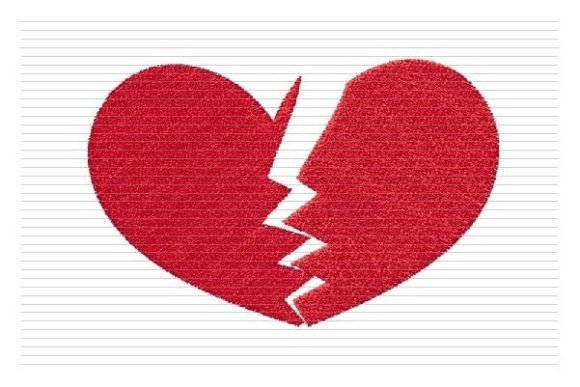
Broken Heart Embroidery Design Review
As a designer who spends most of my days analyzing stitch density and visual balance, I don’t just look at an embroidery file; I visualize the finished product. When Broken Heart Embroidery landed on my desk for review, my first thought wasn’t about Valentine’s Day sales, but rather how this specific motif translates into tangible, wearable art. It is easy to get swept up in the romance of heart designs, but from a practical standpoint, we need to ask: does this design hold up under the needle? Does it convey emotion without looking cluttered? And crucially, can it be integrated into a cohesive brand identity for a small business or a personal gift?
The mood of Broken Heart Embroidery is immediately striking. It moves away from the cliché of perfect, symmetrical hearts and embraces a more raw, authentic aesthetic. The shape suggests vulnerability and storytelling, which makes it incredibly versatile. It isn’t just a decorative element; it is a statement. For designers creating custom apparel or boutique merchandise, this kind of personality is what turns a generic item into something a customer wants to photograph and share. The visual weight of the design feels balanced, suggesting that whether you are working with a dense fill stitch or delicate satin edges, the composition will remain legible.
Real-World Application: From Digital File to Finished Product
I recently considered using this design for a series of personalized gifts and small shop products. Let’s look at how Broken Heart Embroidery performs in specific scenarios. Imagine preparing a custom embroidered tote bag design for a craft fair. A broken heart motif works beautifully here because it adds a touch of indie charm that appeals to a demographic looking for unique, handmade items rather than mass-produced goods. The contrast of a rugged canvas tote against the delicate nature of a broken heart creates a compelling visual tension.
Similarly, for sweatshirt embroidery, this design offers a great opportunity for layering. You might place the main heart motif centrally on a heavyweight cotton blend, perhaps adding small accent stitches around it to simulate shards or tears. This approach elevates the garment from simple streetwear to a piece of wearable art. In the realm of baby embroidery, the softer interpretation of the broken heart—perhaps rendered in pastel threads with a gentle satin stitch finish—can serve as a poignant yet sweet detail on a onesie or burp cloth, capturing the messy, beautiful reality of new parenthood.
Kitchen textiles also present an interesting canvas. Using this romantic embroidery design to embellish aprons or kitchen towels allows for a mix of humor and sentimentality. A tea towel featuring a subtle, stitched broken heart could be marketed as a "divorce party" gift or a humorous housewarming present. The key here is context. The same digital embroidery file can yield vastly different emotional responses depending on the fabric texture, thread colors, and placement. For home decor like pillows or placemats, the design anchors the space with a sense of narrative, making the room feel curated rather than decorated.
Strategic Considerations for Commercial Use
For Etsy sellers and creative entrepreneurs, understanding the market fit is just as important as the technical execution. Broken Heart Embroidery fits naturally into the niche of emotional or relationship-themed merchandise. However, it requires thoughtful presentation. If you are selling finished products, ensure your branding aligns with the tone. Is your brand about healing? About heartbreak? Or is it simply about embracing imperfection? The design supports all these angles, but your marketing copy must guide the customer.
When creating printable mockups or digital product previews, pay attention to the negative space. A strong embroidery design should breathe. If the broken heart is too cramped, it loses its impact. Test the design in black and white mockups to ensure the silhouette remains distinct even without color. This is a professional habit that saves time and prevents costly reprints. Additionally, consider how the design scales. While it works well on standard hoop sizes for shirts and bags, verify if it maintains clarity when reduced for smaller applications like embroidered patches or cap fronts.
Technical Execution and Fabric Compatibility
No matter how beautiful a design looks on screen, its success depends on how it stitches. Before committing to a production run, always test the design on scrap fabric. This is non-negotiable for any experienced maker. Check the stitch density closely. If the fill areas are too dense, the fabric may pucker, especially on lightweight materials. Conversely, if the satin stitches along the jagged edges of the broken heart are too thin, they may not cover the backing adequately, leading to a frayed appearance after washing.
Fabric choice plays a pivotal role. On stretchy fabrics, such as jersey knits used for t-shirts or hoodies, use a proper stabilizer to prevent distortion. The structural integrity of the broken heart shape relies on clean lines; if the fabric stretches during stitching, those lines will warp. On textured fabrics like chenille or heavy denim, inspect the small details. Complex inner curves might get lost in the nap of the fabric, so you may need to simplify the design or adjust the thread path. Dark fabrics require high-contrast thread colors to ensure the design pops, while light fabrics allow for more subtlety in shading and tonal variations.
Where to Exercise Caution
There are certain applications where Broken Heart Embroidery might struggle. Avoid placing intricate versions of this design on curved surfaces like baseball caps unless you have a specialized cap frame and experience. The curvature can distort the symmetry of the break. Similarly, be cautious with tiny lettering or detailed corners if you plan to use this in a dense stitch area. Frequent washing can wear down fine details, so for items like kitchen towels or aprons that see heavy use, opt for a slightly bolder stitch configuration to ensure longevity.
Layered garments, such as double-knit fabrics, can also pose challenges due to thickness. Ensure your machine needle is appropriate and that the hooping process doesn’t compress the layers unevenly. If you are designing for commercial embroidery projects that involve frequent laundering, confirm the wash-fastness of your chosen threads. Synthetic threads often hold color better than cotton blends, which is a practical consideration for maintaining the visual appeal of your finished product over time.
Final Verdict: A Versatile Asset for the Modern Maker
Broken Heart Embroidery is more than just a seasonal graphic; it is a design asset with enduring appeal. Its strength lies in its emotional resonance and adaptability across various mediums, from custom apparel to home decor. For the hobbyist, it offers a meaningful way to personalize gifts. For the small business owner, it provides a distinctive element that can differentiate their offerings in a crowded marketplace.
Before integrating this into your workflow, remember to check the specific licensing terms if you plan to sell finished items or distribute the digital embroidery file. Confirm the recommended hoop size and thread color palettes provided by the creator. By approaching the design with a critical eye toward stitch quality, fabric compatibility, and brand alignment, you can transform this romantic embroidery design into a standout feature of your next project. Whether you are crafting a heartfelt baby item or launching a boutique line of printed tees, Broken Heart Embroidery has the potential to add depth, character, and professional polish to your work.