Bone and Sitting Dog Embroidery Review
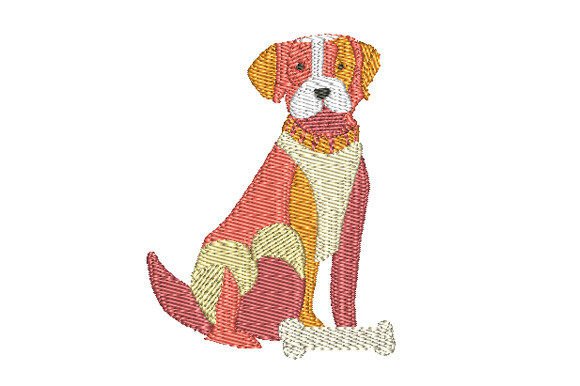
As an embroidery designer who spends weekends navigating the chaos of craft fairs and handmade markets, I have learned that a design’s success is rarely just about how it looks on a screen. It is about how it performs under the harsh light of a booth tent, how it catches the eye of a passerby, and whether it translates well into a tangible handmade product. Today, I am reviewing a specific machine embroidery design titled Bone and Sitting Dog Embroidery. This piece features a single dog or puppy sitting next to a bone, rendered in multi-colored threads. For those of us looking to expand our inventory with Dogs themed items, this design offers some compelling opportunities, but also requires careful strategic planning.
First Impressions: Cuteness and Market Appeal
The immediate appeal of Bone and Sitting Dog Embroidery lies in its emotional resonance. The description notes that the "cuteness level is appropriate," which is a subtle but critical detail for market sellers. In the world of embroidery business owners, we know that "cute" sells, but only if it feels authentic and not overly saccharine. A single puppy sitting by a bone evokes a sense of loyalty, playfulness, and home. This makes it versatile enough for various aesthetic styles, from modern farmhouse to rustic boutique.
Because the design is described as multi-colored, it immediately stands out against solid backgrounds. Color draws the eye faster than monochrome designs, especially in a crowded market environment. However, the use of multiple thread colors introduces complexity. For the Etsy seller or small shop owner, this means higher material costs and longer production times per unit compared to a single-color appliqué or simple stitch pattern. You must weigh the premium feel of a colorful, detailed piece against the efficiency of batch production.
Product Versatility: Where Does It Shine?
When evaluating where Bone and Sitting Dog Embroidery fits best, we need to look at the physical constraints of common craft fair products.
- Tote Bags: This is perhaps the strongest candidate. A canvas tote bag provides a large, flat surface area that allows the multi-colored details of the dog and bone to breathe. As a tote bag design, it serves as both a functional item and a walking advertisement for your brand. Customers love carrying bags that show personality, and a playful dog motif fits perfectly into weekend errands or beach trips.
- Aprons and Tea Towels: Kitchen-themed items are perennial sellers. An apron embroidery featuring this design could appeal to dog lovers who enjoy cooking. Similarly, tea towel embroidery offers a lower price point entry for customers. However, you must consider fabric texture. Terry cloth towels can be challenging for dense stitching, so ensure the design has adequate spacing to avoid puckering.
- Caps and Headwear: Curved surfaces like baseball caps present a unique challenge. While a small embroidered patch or centered chest logo works well, complex multi-colored scenes can distort when stitched onto a curved brim or front panel. If you choose this route, keep the placement centered and ensure the hoop size accommodates the curve without distortion.
- Patches and Pouches: An embroidered patch version of this design allows for maximum flexibility. You can attach it to jackets, backpacks, or hats. Small fabric pouches are also excellent for holding accessories, and the compact nature of a pouch highlights the intricate thread work of the puppy.
Production Practicality and Quality Control
From a technical standpoint, the phrase "perfect for exploring colors and different threads" suggests that this design relies heavily on thread choice to achieve its final look. As a designer, my first step is always to test the stitch density. Multi-colored designs often require frequent color changes, which increases the risk of thread breaks and tangling. If the design includes tiny details in the dog’s eyes or the bone’s texture, you must ensure that these elements do not become muddy blobs when stitched at smaller sizes.
It is crucial to inspect the design file closely. Are there areas of excessive density that might cause the fabric to pucker? Is the spacing between the dog and the bone sufficient to prevent overlapping stitches? Before committing to bulk production, create a printable mockup to visualize the scale, then stitch a real sample on scrap fabric. This hands-on approach reveals issues that digital previews cannot show, such as how the threads interact with the specific weave of your chosen fabric.
Additionally, consider the stabilizer required. Designs with significant coverage often need cut-away stabilizer to maintain shape over time, especially for items like tote bags that will undergo washing and heavy use. Using the wrong stabilizer can lead to warping, ruining the professional finish of your finished product.
Visual Appeal and Customer Engagement
In a physical retail setting, visual hierarchy matters. Bone and Sitting Dog Embroidery acts as a focal point. When displayed on a table, it should be positioned at eye level or slightly below to invite closer inspection. The multi-colored aspect ensures it pops against neutral backdrops like white tablecloths or wooden displays. For online listings, high-quality photos are non-negotiable. Capture close-ups of the thread texture to demonstrate quality, and lifestyle shots showing the item in use to help buyers imagine owning it.
This design also fosters brand consistency. If your shop focuses on wholesome, family-friendly, or pet-lover themes, this piece reinforces that identity. It signals to the customer that you care about detail and quality. When a buyer sees the care put into the thread selection and placement, they perceive higher value, justifying a premium price point for your small shop product.
Essential Designer Notes for Success
To maximize the potential of Bone and Sitting Dog Embroidery, follow these practical steps:
- Test on Scrap Fabric: Never skip this step. Different fabrics react differently to thread tension and density.
- Check Thread Contrast: Ensure the colors stand out clearly against your base fabric. Dark fabric may require bright, vibrant threads to maintain visibility.
- Confirm Hoop Size: Verify that the design fits comfortably within your standard hoops without requiring awkward re-hooping, which can misalign the image.
- Review Spacing: Look for any cramped areas that might lose clarity, especially if you plan to offer smaller versions of the design.
- Create Real Mockups: Use digital tools to place the design on actual product images for your Etsy listing or social media ads.
- Compare Fabric Colors: Swatch your fabric choices to see how they complement the multi-colored thread palette.
- Confirm Commercial Licensing: Before selling any commercial embroidery products, ensure you have the proper rights to use the digital embroidery file. Licensing terms vary widely, and compliance protects your business.
In conclusion, Bone and Sitting Dog Embroidery is a strong contender for any maker looking to add heartwarming, high-quality items to their collection. Its multi-colored nature and charming subject matter make it ideal for standout pieces like tote bags and aprons. By paying attention to production details, testing thoroughly, and presenting it effectively, you can turn this design into a best-selling asset for your craft fair booth or online store.